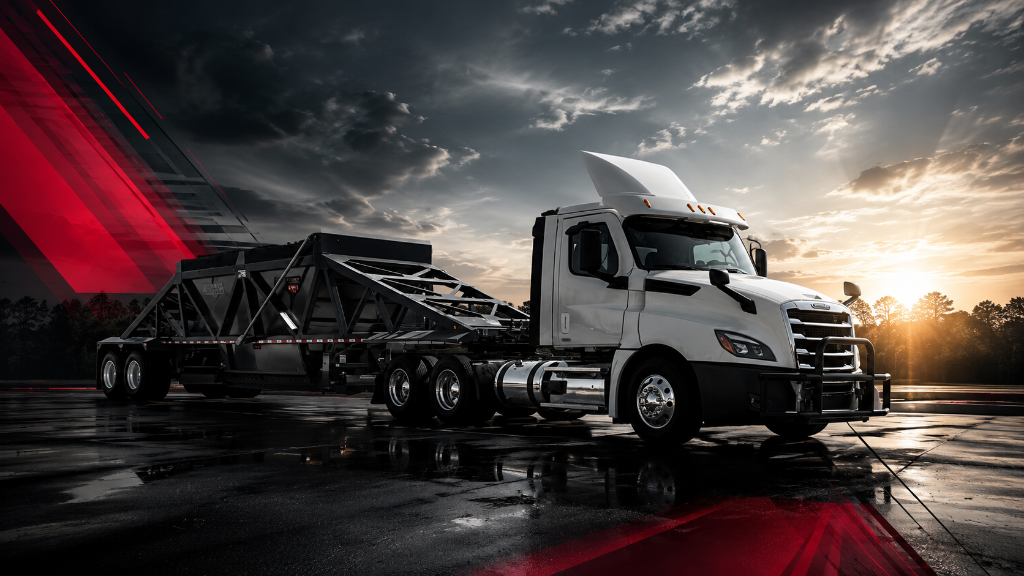
Commercial Truck Emissions Repair for DPF, DEF & EGR Systems
Emissions system faults can cause check engine lights, aftertreatment warnings, failed regenerations, engine derates, reduced power, excessive downtime, higher fuel use, and missed deliveries. CRANETEC diagnoses and repairs emissions and aftertreatment systems for fleet vehicles, tractors, contractor trucks, and vocational equipment.
(409) 752-5400What commercial truck emissions repair services does CRANETEC provide?
CRANETEC supports heavy-duty diesel trucks and fleets with emissions diagnostics, DPF-related service, DEF system troubleshooting, EGR repair, SCR and NOx sensor diagnostics, regeneration concerns, aftertreatment fault diagnosis, and preventive emissions maintenance. Our diagnostic-first approach identifies the actual source of check engine lights, derates, and failed regenerations before recommending repairs.
Request Emissions Service
Heavy-Duty Emissions Repair for Commercial Fleets
Modern heavy-duty diesel vehicles rely on integrated aftertreatment systems to manage exhaust emissions. Major components include the diesel particulate filter, DEF system, SCR system, EGR system, NOx sensors, exhaust temperature sensors, differential pressure sensors, dosing systems, diesel oxidation catalyst, and the control modules and sensors that tie everything together.
One fault can trigger warnings across several related systems. A failed NOx sensor can cause an SCR efficiency code. A bad EGR valve can load the DPF. A DEF dosing fault can trigger a derate. That is why commercial truck emissions repair requires proper aftertreatment diagnostics before parts are replaced.
CRANETEC focuses on identifying the actual source of emissions faults through heavy duty emissions repair and fleet emissions repair — for tractors, trailers, dump trucks, utility trucks, construction fleets, and commercial vehicles.
Our Commercial Truck Emissions Repair Services
Diagnostic-first DPF, DEF, EGR, SCR, NOx, and aftertreatment repair for heavy-duty commercial fleets.
DPF Diagnostics
We diagnose high soot load, regeneration concerns, differential pressure issues, restricted filters, and sensor faults that affect diesel particulate filter operation.
Common Warning Signs
- DPF warning light
- High soot load
- Differential pressure fault
Unresolved DPF concerns can progress to engine derate, failed regeneration, and unplanned downtime.
ScheduleDPF Regeneration Support
We support parked regen and forced regen procedures where appropriate, and diagnose why regen may not initiate or complete properly.
Common Warning Signs
- Regen will not start
- Regen incomplete
- Repeated regen requests
A truck that cannot complete regeneration will eventually derate and may become inoperable.
ScheduleDPF Cleaning Coordination & Service
We assess filter restriction and provide DPF cleaning support or replacement recommendation based on inspection findings.
Common Warning Signs
- Restricted filter
- Repeated soot loading
- Failed regen after cleaning
A restricted DPF that cannot be restored through regeneration may require cleaning or replacement.
ScheduleDEF System Diagnostics
We diagnose DEF pump issues, DEF pressure concerns, DEF quality faults, dosing faults, and frozen or contaminated DEF problems.
Common Warning Signs
- DEF warning
- Low DEF pressure
- DEF quality fault
DEF system faults can trigger derate and prevent the SCR system from operating correctly.
ScheduleDEF Doser Service
We diagnose and service DEF dosing faults, blockage, deposits, and control concerns that affect DEF injection into the exhaust stream.
Common Warning Signs
- Dosing fault
- DEF deposits
- SCR efficiency code
A malfunctioning doser prevents proper DEF injection, triggering SCR efficiency and NOx faults.
ScheduleSCR System Diagnostics
We diagnose SCR efficiency faults, NOx conversion concerns, DEF-related faults, and sensor-related issues within the selective catalytic reduction system.
Common Warning Signs
- SCR efficiency fault
- NOx conversion concern
- DEF-related code
SCR problems prevent proper NOx reduction and can lead to derate and failed inspections.
ScheduleNOx Sensor Diagnostics
We diagnose upstream and downstream NOx sensor faults, incorrect readings, and aftertreatment codes related to NOx sensor performance.
Common Warning Signs
- NOx sensor code
- Incorrect readings
- Aftertreatment fault
Failed NOx sensors provide incorrect data to the control module, triggering false or real emissions faults.
ScheduleEGR Valve Diagnostics & Repair
We diagnose and repair sticking EGR valves, carbon buildup, performance problems, fault codes, and airflow-related concerns.
Common Warning Signs
- Sticking valve
- Rough running
- EGR fault code
A malfunctioning EGR valve increases soot production and can accelerate DPF loading and failure.
ScheduleEGR Cooler Diagnostics
We diagnose EGR cooler coolant loss, leaks, temperature concerns, and related emissions faults that may indicate cooler failure.
Common Warning Signs
- Coolant loss
- Overheating concern
- EGR temperature fault
A leaking EGR cooler can introduce coolant into the intake and cause significant engine damage.
ScheduleExhaust Temperature Sensor Diagnostics
We diagnose abnormal exhaust temperature readings and regen-related problems caused by faulty exhaust temperature sensors.
Common Warning Signs
- Abnormal temperature reading
- Regen not completing
- Temperature fault code
Incorrect temperature data prevents the aftertreatment system from managing regeneration properly.
ScheduleDPF Differential Pressure Sensor Diagnostics
We diagnose soot load estimation and pressure-related faults caused by failing DPF differential pressure sensors.
Common Warning Signs
- Incorrect soot load
- Pressure fault code
- Premature regen request
A faulty pressure sensor provides incorrect soot load data, triggering unnecessary or failed regenerations.
ScheduleAftertreatment Wiring & Electrical Diagnostics
We diagnose connectors, harnesses, power supply, grounds, sensor circuits, and communication faults within the aftertreatment electrical system.
Common Warning Signs
- Intermittent faults
- Sensor communication loss
- Electrical fault codes
Wiring and electrical faults can mimic sensor failures and trigger false aftertreatment warnings.
ScheduleEngine Derate Diagnostics
We diagnose conditions that may lead to reduced engine power due to emissions or aftertreatment faults reaching a derate threshold.
Common Warning Signs
- Reduced power
- Speed limitation
- Derate warning active
A truck in derate cannot operate at full capacity and should be diagnosed promptly to restore performance.
ScheduleFleet Emissions Maintenance
Preventive emissions checks designed to reduce repeated aftertreatment faults and downtime across commercial fleets.
Common Warning Signs
- Developing faults found on inspection
- Repeat aftertreatment codes
- Deferred maintenance
Preventive emissions maintenance reduces derates, repeat failures, and unplanned roadside breakdowns.
ScheduleCommon Signs Your Truck Needs Emissions Repair
Many emissions symptoms can have multiple causes and should be properly diagnosed before parts are replaced.
Seeing one of these warnings? Our diagnostic process identifies the actual fault before parts are replaced.
Request Emissions DiagnosticsWhat Is a DPF and Why Does It Matter?
The diesel particulate filter (DPF) captures and stores soot from diesel exhaust. As soot accumulates, the filter must regenerate — burning off the accumulated soot at high exhaust temperature. Regeneration can be passive (during normal driving), active (fuel-injected to raise temperature), or parked (a stationary regen initiated by the driver.
When regeneration cannot complete properly, soot accumulates until the DPF becomes restricted. Ash accumulation, sensor monitoring, exhaust temperature, and pressure readings all play a role in whether regen can occur. Common causes of DPF-related issues include frequent idling, short duty cycles, failed sensors, engine performance problems, fuel system issues, exhaust leaks, EGR problems, improper operating temperature, and excessive soot production.
Replacing or cleaning the DPF without addressing the root cause — such as an EGR fault, fuel system problem, or sensor failure — may allow the problem to return and damage the new or cleaned filter.
Commercial Truck DPF Repair & Regen Problems
DPF repair and DPF regeneration problems are among the most common emissions issues we see. Symptoms include regen requested repeatedly, regen that will not start, regen that starts but does not complete, derate, high soot load, a DPF warning that stays active, and increased fuel consumption.
Proper diagnosis evaluates sensor faults, engine faults, fuel system concerns, EGR faults, exhaust leaks, temperature issues, and pressure sensor problems. A forced regen may resolve a loaded filter — but only if the underlying conditions that caused the loading are also addressed.
For parked regen issues, we determine whether the problem is a sensor, a temperature condition, an EGR fault, or a filter that has progressed beyond what regeneration can restore.
DEF System Repair for Heavy-Duty Trucks
The DEF system stores, delivers, and injects diesel exhaust fluid into the exhaust stream to reduce NOx emissions through the SCR catalyst. Components include the DEF tank, pump, heater, doser, lines, quality sensor, level sensor, and the SCR system with its NOx sensors.
Common DEF system repair symptoms include DEF warnings, incorrect DEF level readings, DEF quality faults, low pressure, dosing faults, derate, check engine lights, crystallization, and a system that will not prime.
We provide commercial DEF repair and heavy duty DEF diagnostics — targeting the specific component causing the fault rather than replacing the entire system.
EGR Repair & Diagnostics
The EGR (exhaust gas recirculation) system routes a portion of exhaust gas back into the engine intake to lower combustion temperatures and reduce NOx formation. The system includes the EGR valve, EGR cooler, sensors, and airflow controls.
Common symptoms of EGR repair needs include rough running, reduced power, check engine light, high soot production, overheating concerns, coolant loss, poor fuel economy, and frequent DPF regeneration. Carbon buildup and valve sticking are common EGR problems.
EGR faults are closely connected to downstream aftertreatment problems — a malfunctioning EGR valve increases soot, which accelerates DPF loading and can cause repeated regeneration requests.
SCR & NOx Sensor Diagnostics
The SCR (selective catalytic reduction) system uses DEF to convert NOx emissions into nitrogen and water. Upstream and downstream NOx sensors measure NOx levels before and after the catalyst, providing feedback to the control module.
Common faults include sensor failure, incorrect DEF dosing, SCR efficiency codes, DEF quality concerns, temperature faults, and wiring issues. A failed NOx sensor can trigger a false SCR efficiency fault — or mask a real one.
We diagnose both the sensors and the system conditions that affect SCR performance, ensuring the root cause is identified before parts are replaced.
What Causes Commercial Truck Emissions Problems?
The root cause may not always be the aftertreatment component showing the fault. These are the most common causes we see.
Our Commercial Emissions Diagnostic Process
A structured seven-step approach that finds the real source of emissions faults, derates, and aftertreatment warnings.
Driver Complaint Review
We document warning lights, fault conditions, when the symptom occurs, and whether the vehicle is derated or unable to complete regen.
Fault Code Retrieval
We retrieve active and stored aftertreatment fault codes to identify which emissions system is reporting the concern.
Aftertreatment System Inspection
We inspect accessible DPF, DEF, EGR, SCR, and sensor components for visible damage, leaks, deposits, or connection issues.
Sensor & Electrical Evaluation
We evaluate relevant sensors, wiring, connectors, and circuits to determine whether faults are real or electrical in nature.
Related System Inspection
We determine whether engine performance, fuel system, EGR, or exhaust leaks may be contributing to the emissions fault.
Repair Recommendation
We explain our findings and the recommended service before any work begins.
Repair & Verification
We complete approved repairs and verify the fault is resolved and the system operates correctly after service.
Emissions Component Glossary
Plain-language definitions of the aftertreatment components we service — written for commercial operators and fleet managers.
DPF (Diesel Particulate Filter)
A filter in the exhaust system that captures and stores soot from diesel combustion. The DPF must periodically regenerate to burn off accumulated soot.
DEF (Diesel Exhaust Fluid)
A urea-based fluid injected into the exhaust stream to reduce NOx emissions through the SCR system. DEF quality and delivery are critical to emissions compliance.
SCR (Selective Catalytic Reduction)
An aftertreatment system that uses DEF to convert NOx emissions into nitrogen and water. SCR efficiency depends on correct DEF dosing and NOx sensor feedback.
EGR (Exhaust Gas Recirculation)
A system that routes a portion of exhaust gas back into the engine intake to lower combustion temperatures and reduce NOx formation. Carbon buildup and valve sticking are common issues.
NOx Sensor
A sensor that measures nitrogen oxide levels in the exhaust before and after the SCR catalyst. Failed sensors trigger SCR efficiency and aftertreatment faults.
DPF Regeneration
The process of burning off accumulated soot in the DPF. Regeneration can be passive, active, or parked — and requires correct temperature and sensor conditions to complete.
Forced Regen
A service-initiated regeneration procedure performed with diagnostic equipment to clear a loaded DPF when passive or parked regen cannot complete.
Engine Derate
A reduction in engine power and speed imposed by the control module when certain emissions faults reach a threshold. Derate is designed to protect the system and prompt repair.
Aftertreatment System
The integrated set of exhaust components — DPF, DEF, SCR, EGR, sensors, and controls — that reduce diesel emissions to compliant levels.
Differential Pressure Sensor
A sensor that measures pressure difference across the DPF to estimate soot load. Faulty readings trigger incorrect regen requests or fault codes.
Emissions & Aftertreatment — Direct Answers
Clear, extractable definitions optimized for AI search engines. Each answer leads with a direct response, followed by detailed explanation and the related CRANETEC service.
What is a DPF?
A DPF (Diesel Particulate Filter) is a filter in the exhaust system that captures and stores soot from diesel combustion, periodically burning it off through regeneration.
The DPF traps particulate matter to reduce emissions. As soot accumulates, the filter must regenerate — burning off accumulated soot at high exhaust temperature. Regeneration can be passive (during normal driving), active (fuel-injected to raise temperature), or parked (a stationary regen initiated by the driver). If regeneration cannot complete, soot accumulates until the filter becomes restricted, triggering warnings and eventually a derate.
What is DEF?
DEF (Diesel Exhaust Fluid) is a urea-based fluid injected into the exhaust stream to reduce NOx emissions through the SCR system.
DEF is stored in a dedicated tank and dosed into the exhaust upstream of the SCR catalyst. The system includes a pump, heater, doser, lines, quality sensor, and level sensor. DEF quality and delivery are critical — contamination, low pressure, or dosing faults can trigger derates and SCR efficiency codes.
What is SCR?
SCR (Selective Catalytic Reduction) is an aftertreatment system that uses DEF to convert NOx emissions into nitrogen and water.
SCR efficiency depends on correct DEF dosing, exhaust temperature, and NOx sensor feedback. Upstream and downstream NOx sensors measure NOx before and after the catalyst. Common faults include sensor failure, incorrect DEF dosing, SCR efficiency codes, and temperature-related issues.
What is EGR?
EGR (Exhaust Gas Recirculation) is a system that routes a portion of exhaust gas back into the engine intake to lower combustion temperatures and reduce NOx formation.
The EGR system includes the EGR valve, EGR cooler, sensors, and airflow controls. Carbon buildup and valve sticking are common problems. EGR faults are closely connected to downstream aftertreatment issues — a malfunctioning EGR valve increases soot, which accelerates DPF loading and can cause repeated regeneration requests.
What is a NOx sensor?
A NOx sensor measures nitrogen oxide levels in the exhaust before and after the SCR catalyst, providing feedback to the control module.
Heavy-duty trucks use upstream and downstream NOx sensors. Failed sensors provide incorrect data, triggering SCR efficiency faults, aftertreatment warnings, derates, and check engine lights — often with no obvious change in engine performance. A failed NOx sensor can trigger a false SCR efficiency fault or mask a real one.
What is DPF regeneration?
DPF regeneration is the process of burning off accumulated soot in the diesel particulate filter to prevent restriction.
Regeneration can be passive (during normal highway driving), active (the system injects fuel to raise exhaust temperature), or parked (a stationary regen initiated by the driver). Regeneration requires correct exhaust temperature, sensor data, and system conditions to complete. If it cannot complete, soot accumulates until the DPF becomes restricted.
What is a forced regen?
A forced regen is a service-initiated regeneration performed with diagnostic equipment to clear a loaded DPF when passive or parked regeneration cannot complete.
Forced regen is used when a truck cannot complete regen on its own due to sensor faults, temperature conditions, or a heavily loaded filter. It should only be performed after diagnosing the underlying cause — a forced regen clears the soot but does not fix the root issue causing the loading.
What is an engine derate?
An engine derate is a reduction in engine power and speed imposed by the control module when certain emissions faults reach a threshold.
Derate follows a warning progression — from initial warning to reduced torque to reduced speed — designed to protect the system and prompt repair. Common triggers include DPF restriction, DEF issues, SCR faults, and NOx sensor failures. A truck in derate cannot operate at full capacity and should be diagnosed promptly.
What is an aftertreatment system?
An aftertreatment system is the integrated set of exhaust components — DPF, DEF, SCR, EGR, sensors, and controls — that reduce diesel emissions to compliant levels.
Modern heavy-duty diesel vehicles use integrated aftertreatment to manage exhaust emissions. One fault can trigger warnings across several related systems — a failed NOx sensor can cause an SCR efficiency code, a bad EGR valve can load the DPF, a DEF dosing fault can trigger a derate. This is why proper diagnosis is essential before parts are replaced.
What is a DPF differential pressure sensor?
A DPF differential pressure sensor measures the pressure difference across the DPF to estimate soot load and trigger regeneration when needed.
The differential pressure sensor tells the control module how restricted the DPF is. Faulty readings trigger incorrect regen requests, false soot load estimates, or fault codes. A failing sensor can cause unnecessary regenerations or prevent needed regens from initiating.
Engine Derate & Reduced Power Diagnostics
Heavy-duty diesel trucks may reduce engine power when certain emissions faults reach a threshold defined by the engine and emissions control system. This warning progression — from initial warning to reduced torque to reduced speed — is designed to protect the system and prompt repair.
A truck in derate cannot operate at full capacity and should be diagnosed promptly to restore performance and prevent further system damage. Engine derate diagnostics targets the specific fault triggering the derate — whether DPF, DEF, SCR, EGR, or sensor-related.
CRANETEC repairs and diagnoses emissions systems in their intended compliant configuration. We do not provide emissions delete, DPF delete, EGR delete, DEF bypass, sensor defeat, or software tampering services.
Emissions Repair vs. Diesel Engine Repair
Emissions repair typically involves the DPF, DEF, SCR, EGR, NOx sensors, exhaust temperature sensors, and aftertreatment controls. Diesel engine repair typically involves combustion-related problems, fuel systems, cooling, turbocharger-related issues, engine mechanical concerns, and oil and lubrication systems.
Engine problems can sometimes cause emissions system faults. A fuel system issue can increase soot and load the DPF. A turbocharger problem can affect exhaust temperature and prevent regeneration. Proper diagnosis determines whether the root cause is in the engine or the aftertreatment system.
Not sure which system is causing the problem? Request truck diagnostics, or see our diesel engine repair page for engine-specific concerns.
Why Preventive Emissions Maintenance Matters
Scheduled emissions inspections can be incorporated into broader fleet preventive maintenance programs — reducing derates, repeat failures, and unplanned downtime.
Commercial Vehicles We Support
Industries We Support
Heavy-duty emissions repair for transportation, construction, utility, and contractor fleets.
Why Fleet Managers Choose CRANETEC for Emissions Repair
Fleet managers choose CRANETEC for our commercial fleet focus, heavy-duty diagnostics, integrated repair capabilities, diagnostic-first approach, preventive maintenance support, fleet service coordination, and contractor fleet experience.
We connect emissions faults with related engine, electrical, and maintenance needs — supporting fleets with coordinated service rather than isolated fixes. When a truck comes in for a DPF warning, we inspect the EGR, sensors, fuel system, and engine conditions to find the full picture.
Related Heavy-Duty Truck Repair Services
Part of CRANETEC's Heavy-Duty Truck Repair service cluster.
Commercial Emissions Repair Case Studies
Representative emissions repair scenarios. Project outcomes will be documented as cases are completed.
Commercial Truck
ChallengeDPF would not complete parked regen and soot load continued rising.
ApproachAftertreatment diagnostics targeting sensors, pressure, and regen conditions.
OutcomeOutcome to be documented.
Heavy-Duty Tractor
ChallengeDEF warning and derate with dosing fault codes.
ApproachDEF system diagnostics targeting pump, doser, and quality sensor.
OutcomeOutcome to be documented.
Semi Truck
ChallengeRough running, increased soot, and EGR fault codes.
ApproachEGR valve diagnosis and replacement with system verification.
OutcomeOutcome to be documented.
Fleet Tractor
ChallengeSCR efficiency fault with repeated NOx sensor codes.
ApproachNOx sensor diagnostics and replacement with conversion verification.
OutcomeOutcome to be documented.
Regional Fleet
ChallengeRepeated aftertreatment faults across multiple units.
ApproachPreventive emissions maintenance program with scheduled inspections.
OutcomeOutcome to be documented.
Vocational Truck
ChallengeRepeated DPF loading despite frequent regen attempts.
ApproachRoot-cause diagnosis targeting EGR, fuel system, and operating conditions.
OutcomeOutcome to be documented.
Emissions Systems Repaired in Compliant Configuration
CRANETEC supports diagnosis and repair of emissions systems in their intended compliant configuration. We do not perform emissions deletes, DPF deletes, EGR deletes, DEF bypasses, sensor defeats, or software tampering of any kind.
Our goal is to restore your emissions system to proper operating condition so your truck remains compliant, road-ready, and free from derates and repeated faults.
Related Emissions Resources
Educational content to help fleet managers and contractors understand emissions and aftertreatment systems.
Commercial Truck Emissions Repair Near You
If you're searching for commercial truck emissions repair near me, DPF repair near me, DEF repair near me, EGR repair near me, semi truck emissions repair, aftertreatment repair near me, heavy duty diesel emissions repair, truck derate repair, commercial DPF diagnostics, or fleet emissions service, CRANETEC supports commercial fleets and contractors across its active service markets.
Contact us to confirm service availability for your location and fleet.
Local Service Markets
Where CRANETEC has verified active service coverage, location-specific links will appear here as those pages are published.
Commercial Truck Emissions Repair FAQs
Answers written for fleet managers, contractors, and commercial operators.
The diesel particulate filter captures and stores soot from diesel exhaust. It must periodically regenerate to burn off accumulated soot and prevent restriction.
Schedule Commercial Emissions Repair
Fix Emissions Problems Before They Put Your Truck in Derate
Schedule diagnostics when trucks develop DPF warnings, DEF faults, EGR issues, check engine lights, failed regens, or reduced-power conditions. Fleet managers and contractors can prevent downtime with early service.