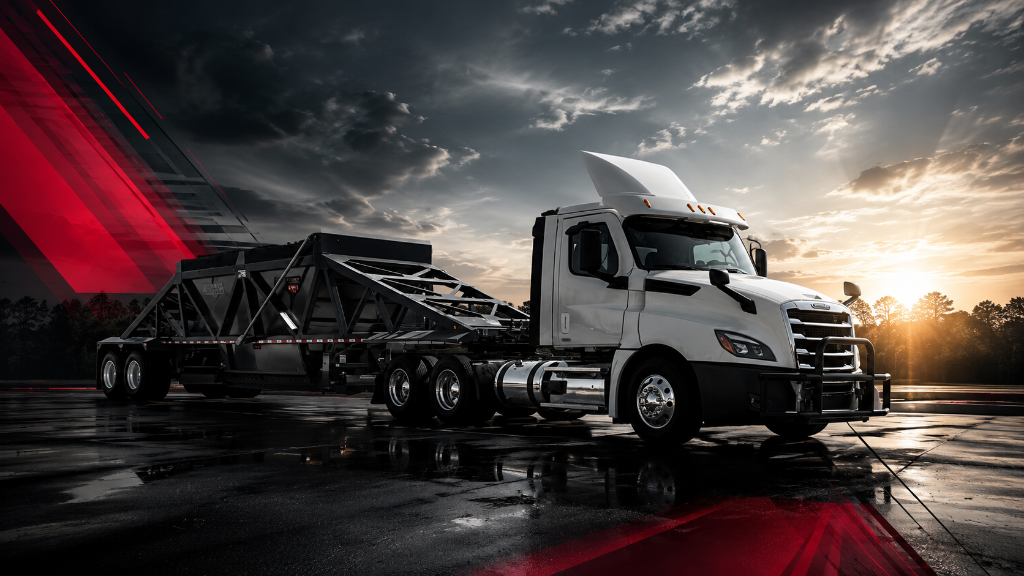
Commercial Truck Chassis Repair & Heavy-Duty Suspension Service
Chassis, suspension, frame, and steering problems affect vehicle stability, tire wear, handling, ride quality, fleet uptime, component life, DOT readiness, and driver confidence. CRANETEC inspects, diagnoses, and repairs heavy-duty chassis components for tractors, trailers, and commercial fleets.
(409) 752-5400What commercial truck chassis repair services does CRANETEC provide?
CRANETEC supports heavy-duty commercial trucks, tractors, trailers, and fleet equipment with chassis inspections, frame-related repairs, suspension diagnostics, steering component service, crossmember inspection, structural component evaluation, and preventive chassis maintenance. Our diagnostic-first approach identifies the actual source of noise, vibration, leaning, instability, and uneven tire wear before recommending repairs.
Request Chassis Service
Heavy-Duty Chassis Repair for Commercial Fleets
The chassis is the structural foundation of a commercial truck. It connects the frame, suspension, axles, steering, cab, powertrain mounting, crossmembers, trailer connections, wheel alignment, and vehicle handling into one integrated system. When any part of that foundation is compromised, the entire vehicle is affected.
Chassis-related symptoms — vibration, leaning, clunking, wandering, uneven tire wear, loose steering — can originate from several interconnected systems. A worn suspension bushing, a loose crossmember, a damaged steering linkage, and a frame concern can all produce similar warnings. That is why commercial truck chassis repair requires proper inspection before repairs are recommended.
CRANETEC focuses on identifying the actual source of chassis-related problems through truck chassis inspection and fleet chassis repair — rather than replacing components blindly — for tractors, trailers, dump trucks, utility trucks, construction fleets, and commercial vehicles.
Our Commercial Truck Chassis Repair Services
Diagnostic-first chassis, suspension, steering, and frame-related repair for heavy-duty commercial fleets.
Frame Inspection
We visually inspect accessible frame areas for cracks, damage, corrosion, loose components, abnormal wear, previous damage, and mounting concerns that could affect structural integrity.
Common Warning Signs
- Visible cracks
- Corrosion or rust scaling
- Loose frame-mounted hardware
Frame concerns left unaddressed can progress into more significant structural problems and affect multiple mounted systems.
ScheduleFrame-Related Repair
Based on inspection findings, we address supported frame-related concerns. We do not claim to perform frame straightening or OEM structural procedures unless that capability is verified.
Common Warning Signs
- Frame damage found on inspection
- Cracks at stress points
- Bent or distorted frame sections
Properly addressing frame-related concerns early helps prevent propagation to connected structural components.
ScheduleCrossmember Inspection & Repair
We inspect and repair crossmembers for looseness, damage, cracks, mounting point wear, fastener integrity, and structural support issues that affect chassis rigidity.
Common Warning Signs
- Loose crossmember
- Cracks at mounting points
- Rattling or clunking underneath
A damaged crossmember reduces chassis rigidity and can allow frame flex that stresses other components.
ScheduleHeavy-Duty Suspension Repair
We diagnose and repair suspension wear, ride problems, vehicle instability, uneven ride height, and component deterioration across leaf spring, air ride, and related systems.
Common Warning Signs
- Truck leaning
- Excessive bouncing
- Poor ride quality
Suspension problems affect tire wear, handling, driver comfort, and can accelerate wear on connected components.
ScheduleLeaf Spring Inspection & Repair
We inspect leaf springs for broken leaves, sagging, uneven ride height, worn bushings, mounting hardware integrity, and abnormal suspension movement.
Common Warning Signs
- Broken or cracked leaves
- Sagging suspension
- Clunking over bumps
Damaged leaf springs reduce load capacity, alter ride height, and create uneven stress across the suspension.
ScheduleAir Suspension Diagnostics & Repair
We diagnose air leaks, ride-height problems, air spring condition, valve operation, and related suspension components. This is separate from air brake repair.
Common Warning Signs
- Loss of ride height
- Air leaks
- Uneven suspension leveling
Air suspension problems can cause bottoming, uneven handling, and accelerated wear on mounts and bushings.
ScheduleTorque Rod & Radius Rod Service
We inspect and service torque rods and radius rods for bushing wear, axle movement, alignment concerns, suspension instability, and abnormal tire wear patterns.
Common Warning Signs
- Axle wrap or movement
- Clunking under acceleration
- Uneven tire wear
Worn torque and radius rods allow uncontrolled axle movement that destabilizes handling and accelerates tire wear.
ScheduleShock Absorber Replacement
We replace worn shock absorbers that cause excessive bouncing, poor ride control, fluid leakage, uneven tire wear, and reduced suspension control.
Common Warning Signs
- Excessive bouncing
- Fluid leakage at shock
- Harsh or floating ride
Failed shocks reduce ride control, increase stopping distance, and accelerate wear on tires and suspension components.
ScheduleSteering Linkage Inspection
We inspect steering linkage for loose steering, steering play, tie rod condition, drag link wear, connection points, and related wear that affects directional control.
Common Warning Signs
- Loose steering
- Wandering
- Excessive steering play
Worn steering linkage reduces driver control and can create unsafe handling at highway speeds.
ScheduleTie Rod & Drag Link Replacement
We replace worn tie rods and drag links that cause steering looseness, worn joints, handling concerns, and alignment-related symptoms.
Common Warning Signs
- Steering looseness
- Uneven tire wear
- Handling changes
Worn tie rods and drag links allow wheel misalignment that destroys tires and reduces steering precision.
ScheduleChassis Mounting Component Inspection
We inspect mounting hardware, bushings, brackets, fasteners, and structural connections throughout the chassis for looseness, wear, and integrity.
Common Warning Signs
- Loose mounts
- Worn bushings
- Clunking or rattling
Loose or worn chassis mounts allow component movement that creates noise, vibration, and accelerated wear.
ScheduleTrailer Chassis Repair
We inspect and repair supported trailer chassis concerns including structural inspection, suspension-related issues, crossmembers, mounting points, wear, and damage.
Common Warning Signs
- Trailer tracking problems
- Suspension noise
- Visible damage
Trailer chassis problems affect tracking, tire wear, and safety — and can damage cargo if left unaddressed.
ScheduleChassis Diagnostics
We identify the source of noise, vibration, leaning, instability, abnormal handling, and uneven tire wear by systematically isolating chassis, suspension, and steering systems.
Common Warning Signs
- Unidentified noise
- Vibration
- Leaning or instability
Accurate chassis diagnosis prevents unnecessary parts replacement and targets the actual source of the symptom.
ScheduleFleet Chassis Maintenance
Scheduled chassis inspections for commercial fleets designed to identify developing chassis, suspension, and steering problems before they cause downtime.
Common Warning Signs
- Developing wear found on inspection
- Loose fasteners
- Early bushing deterioration
Preventive chassis service reduces unplanned breakdowns and extends the service life of suspension and steering components.
ScheduleCommon Signs Your Truck May Need Chassis Repair
These symptoms do not automatically identify one failed component. Multiple chassis, steering, suspension, axle, tire, or wheel-end problems can produce similar symptoms.
Not sure what's causing the problem? Our diagnostic process isolates the actual source before parts are replaced.
Request Chassis DiagnosticsWhat Causes Heavy-Duty Chassis Problems?
Commercial trucks and vocational fleets experience significantly different chassis loads than passenger vehicles. These are the most common causes we see.
Commercial Truck Frame Inspection & Repair
The truck frame is the primary structural backbone of the vehicle. Every major system — the cab, powertrain, suspension, axles, and trailer connection — mounts to it. Frame integrity is essential for safe operation, proper alignment, and component life.
Our truck frame inspection evaluates accessible frame areas for cracks, corrosion, impact damage, crossmember concerns, loose hardware, mounting problems, visible distortion, and abnormal component movement. We assess whether a concern requires attention before it becomes more significant.
We address supported frame-related concerns based on inspection findings. We do not claim to perform frame straightening, frame welding procedures, or OEM-approved structural repairs unless that capability is verified. Our focus is on identifying truck frame repair needs and commercial chassis inspection concerns early — before frame issues propagate to connected components.
Heavy-Duty Suspension Repair
The suspension system — leaf springs, air suspension, shocks, bushings, torque rods, radius rods, and mounting components — supports the vehicle, absorbs road impact, and maintains ride height. When suspension components wear, the entire vehicle is affected.
Common symptoms of commercial truck suspension repair needs include a truck leaning, excessive bouncing, poor ride quality, clunking over bumps, uneven tire wear, vehicle instability, air leaks, and abnormal axle movement. Heavy duty suspension repair targets the specific worn component rather than replacing the entire system.
We support fleet suspension service and semi truck suspension repair across leaf spring, air ride, and mixed suspension configurations — for tractors, trailers, dump trucks, and vocational equipment.
Commercial Truck Steering Component Repair
Chassis condition, suspension condition, and steering performance are directly connected. A worn suspension bushing or a loose chassis mount can create steering symptoms — and worn steering components can accelerate tire wear and suspension damage.
We inspect and service tie rods, drag links, steering linkage, joints, bushings, and mounting points. Symptoms of commercial steering repair needs include loose steering, wandering, pulling, uneven tire wear, excessive steering play, noise, and poor directional control.
For steering symptoms that may involve multiple systems, our truck diagnostics service can isolate whether the source is steering, suspension, or chassis-related.
Why Uneven Tire Wear Can Be a Chassis Warning Sign
Uneven tire wear is often treated as an alignment problem — but it can be a warning sign of a deeper chassis, suspension, or steering issue. Wear patterns may be associated with suspension wear, steering component wear, axle positioning, ride-height problems, loose components, alignment conditions, wheel-end problems, or tire conditions.
Replacing tires without identifying the underlying mechanical cause may allow the wear pattern to return. A truck that eats tires may have worn bushings, a loose crossmember, a damaged torque rod, or a failing air spring — none of which a tire replacement fixes.
We connect chassis diagnosis with related systems: brakes & wheel seals, drivetrain repair, and preventive maintenance.
Chassis Repair vs. Drivetrain Repair
Chassis repair typically involves the frame, crossmembers, suspension, steering-related components, structural mounting, and ride and handling concerns. Drivetrain repair typically involves driveshafts, U-joints, carrier bearings, differentials, axles, power dividers, and power-transfer components.
Vibration and noise can sometimes originate from either system. A worn suspension bushing can create vibration that feels like a driveline problem, and a failing U-joint can produce clunking that sounds like a loose crossmember. Proper diagnosis determines the actual source.
Not sure which system is causing the problem? Request commercial truck diagnostics, or visit our drivetrain repair page for drivetrain-specific concerns.
Chassis Repair vs. Wheel-End Repair
The chassis, suspension, axles, wheel bearings, wheel seals, brakes, tires, and steering are all interconnected. Uneven tire wear, pulling, vibration, heat, or instability may require inspection of multiple systems — not just one.
A wheel bearing failure can mimic a suspension vibration. A brake drag can cause pulling that looks like an alignment problem. A worn kingpin can create tire wear that looks like a toe issue. Our diagnostic process evaluates related systems to find the real cause.
For wheel-end and braking concerns, see our brakes & wheel seals service.
Our Commercial Chassis Diagnostic Process
A structured seven-step approach that finds the real source of noise, vibration, leaning, instability, and handling problems.
Driver Complaint Review
We document when and how the symptom occurs — pulling, leaning, noise, vibration, or handling changes — and under what conditions.
Visual Chassis Inspection
We inspect accessible frame, suspension, steering, mounts, crossmembers, and related components for visible wear, damage, or looseness.
Suspension Evaluation
We check for worn, loose, damaged, or leaking suspension components including leaf springs, air springs, shocks, bushings, and mounting hardware.
Steering Evaluation
We inspect relevant steering linkage, tie rods, drag links, connection points, and joints for play and wear.
Related System Inspection
We determine whether tires, wheel ends, axles, drivetrain, or other components may contribute to the reported symptom.
Repair Recommendation
We provide our findings and recommended repairs before any work begins.
Repair & Verification
We complete approved repairs and verify the repaired condition before returning the vehicle to service.
Preventive Chassis Maintenance for Commercial Fleets
Scheduled chassis inspections can be incorporated into broader fleet preventive maintenance programs — reducing downtime, improving tire life, and supporting DOT readiness.
Commercial Vehicles We Support
Chassis Repair for Contractor & Vocational Fleets
Heavy payloads, jobsite travel, rough terrain, and frequent stops place unique demands on commercial chassis components.
Why Fleet Managers Choose CRANETEC for Chassis Repair
Fleet managers choose CRANETEC for our commercial fleet focus, heavy-duty repair capability, diagnostic-first approach, integrated mechanical services, preventive maintenance capability, contractor fleet experience, repair coordination, fleet service support, ability to inspect related systems, and multi-service capability.
We connect chassis repairs with other vehicle needs — supporting contractors and transportation fleets with coordinated service rather than isolated fixes. When a truck comes in for suspension noise, we inspect steering, frame, and related systems to find the full picture.
Complete Heavy-Duty Truck Repair Support
Part of CRANETEC's Heavy-Duty Truck Repair service cluster.
Commercial Chassis Repair Case Studies
Representative chassis repair scenarios. Project outcomes will be documented as cases are completed.
Commercial Truck
ChallengeTruck leaning and uneven ride height across drive axle.
ApproachSuspension inspection targeting leaf springs, bushings, and mounting hardware.
OutcomeOutcome to be documented.
Construction Truck
ChallengeClunking noise and instability over rough jobsite terrain.
ApproachFull chassis inspection of frame, crossmembers, and suspension mounts.
OutcomeOutcome to be documented.
Fleet Tractor
ChallengeExcessive steering play and wandering at highway speed.
ApproachSteering linkage inspection and tie rod / drag link replacement.
OutcomeOutcome to be documented.
Commercial Trailer
ChallengeTrailer tracking problems and uneven tire wear.
ApproachTrailer chassis inspection targeting suspension and mounting points.
OutcomeOutcome to be documented.
Heavy-Duty Dump Truck
ChallengeLoose crossmember and chassis rattling under load.
ApproachCrossmember inspection, fastener service, and mounting repair.
OutcomeOutcome to be documented.
Regional Fleet
ChallengeRepeated uneven tire wear across multiple units.
ApproachChassis diagnostics targeting suspension, steering, and alignment contributors.
OutcomeOutcome to be documented.
Related Chassis Resources
Educational content to help fleet managers and contractors understand chassis, suspension, and steering problems.
Commercial Truck Chassis Repair Near You
If you're searching for commercial truck chassis repair near me, heavy duty chassis repair near me, truck frame repair near me, semi truck suspension repair, commercial truck suspension repair, fleet chassis repair, tractor chassis repair, trailer chassis repair, commercial steering repair, or heavy duty truck frame repair, CRANETEC supports commercial fleets and contractors across its active service markets.
Contact us to confirm service availability for your location and fleet.
Local Service Markets
Where CRANETEC has verified active service coverage, location-specific links will appear here as those pages are published.
Commercial Truck Chassis Repair FAQs
Answers written for fleet managers, contractors, and commercial operators.
The chassis includes the frame, crossmembers, suspension components, steering linkage, mounting hardware, axles, and trailer connections — the structural foundation that ties every major vehicle system together.
Schedule Commercial Chassis Repair
Keep Your Commercial Fleet Stable, Reliable & Ready for Work
Schedule chassis inspection when trucks develop suspension noise, steering problems, abnormal tire wear, vibration, leaning, visible damage, or handling concerns. Fleet managers and contractors can prevent downtime and DOT issues with early service.